General Dentistry
Toothache relief: safe home measures before your dental exam
Toothache relief before a dental appointment is about controlling discomfort safely—not treating the cause.
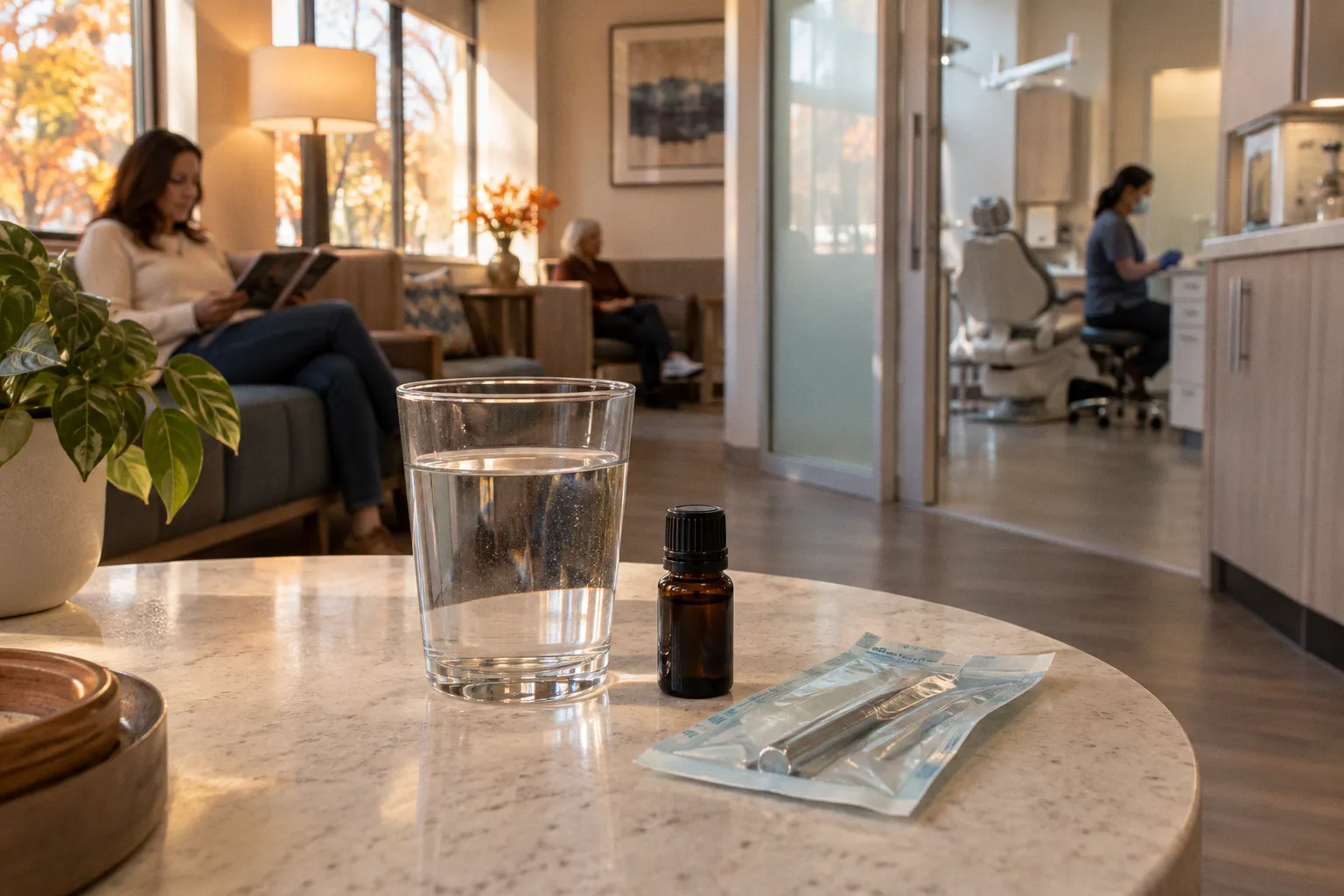
A rinse, cold compress, or pain reliever may make the wait more manageable, but none can repair decay, protect an exposed nerve, or clear a dental infection. Arrange an examination even if the pain eases.
Start by noting when the pain began, what makes it sharper, and whether you have swelling or a fever. That information helps the dental team assess the problem. Then use temporary measures carefully, following product directions and watching for symptoms that need urgent attention.
Why tooth pain can feel worse at night
Some people notice that tooth pain intensifies when they lie down. One possible reason is that lying flat can increase blood flow and pressure around an inflamed tooth nerve, making an already irritated area feel more painful. Nighttime discomfort does not, by itself, identify the cause: decay, a damaged tooth, nerve inflammation, and infection can all require professional assessment.
Until you can be examined, try resting with your head somewhat elevated if that position feels more comfortable. Avoid repeatedly pressing, tapping, or probing the tooth to test it; those actions can aggravate the area without clarifying what is wrong. If cold, heat, or biting reliably triggers pain, make a note of it and avoid that trigger where practical.
A temporary improvement should not reset the plan. Pain can fluctuate, and a measure that dulls discomfort does not establish that the underlying problem has resolved. Keep the dental appointment, and contact the office sooner if symptoms worsen or new signs appear.
Relief at home can make the wait easier; it cannot tell you whether the tooth needs a filling, root canal treatment, or another procedure.
Pain relievers: use a safe, measured approach
Over-the-counter pain relievers may help with dental discomfort while you are waiting for care. Ibuprofen and acetaminophen are commonly used options, and evidence cited by the American Dental Association indicates that taking them together can relieve dental pain more effectively than taking either one alone. That does not make a combination appropriate for everyone.
The research summary for this article describes ibuprofen 400–600 mg with acetaminophen 500 mg every six hours. These figures should not be treated as a personal prescription. Before taking either medicine, check the package directions and consider your health conditions, other medicines, and previous advice from a clinician or pharmacist. Do not exceed the label’s maximum dose or shorten the interval between doses.
Ibuprofen may not be suitable for some people, including those with certain stomach, kidney, bleeding, or medication-related risks. Acetaminophen also has a maximum daily amount and may be present in other medicines, so taking several products containing it can result in an accidental excess. If you are pregnant, have a chronic condition, take prescription medication, or are unsure what is safe for you, ask a healthcare professional or pharmacist before using these medicines. For a child, use age- and weight-appropriate directions and seek professional guidance rather than adapting an adult dose.
A simple medication record can prevent confusion when pain disrupts sleep:
- Write down the medicine name, amount, and time taken.
- Check active ingredients on combination cold, flu, or pain products to avoid doubling up.
- Follow the package directions and do not take extra doses because the first one has not worked quickly.
- Stop and seek advice if you develop a concerning reaction or are uncertain whether another dose is safe.
Medication is a bridge to evaluation, not a reason to postpone it. If pain remains severe despite following the label, call the dental office for advice about the next step rather than increasing the dose yourself.
Rinses and topical aids: what they can and cannot do
A warm salt-water rinse can loosen food debris and soothe irritated tissues. Dissolve half a teaspoon of salt in about 8 ounces (one cup) of warm water, swish gently, and spit it out. The water should be warm, not hot. A rinse is not a substitute for brushing and flossing, and it will not remove decay or treat an infection inside a tooth.
Clove oil contains eugenol, which can temporarily numb discomfort. Because concentrated oils can irritate or injure oral tissues, do not apply them freely or assume that a natural product is automatically safe. Follow the product instructions; if they are unclear, avoid using it and ask a dentist or pharmacist. Keep topical products away from children unless a clinician has specifically advised their use.
Avoid placing aspirin directly against a tooth or gum. It does not provide reliable local pain relief and may cause a chemical burn to the soft tissues. Also avoid putting household substances into a cavity or packing the area with materials that could become lodged or irritate the gum.
Diluted hydrogen peroxide is sometimes mentioned as a rinse, but it is not necessary for routine toothache relief. Do not swallow it, use it undiluted, or let it delay an examination. If you are considering any rinse or topical product and have mouth sores, a medical condition, or uncertainty about safe use, check with a dental professional first.
For eating and oral care, keep the routine gentle. Choose foods that do not trigger the pain, chew on the other side if that is comfortable, and continue cleaning the rest of your mouth carefully. Do not scrub a sore spot or stop all oral hygiene; trapped food and plaque can add irritation.
Cold compresses for external swelling and discomfort
A cold compress on the outside of the cheek may temporarily numb pain and reduce swelling. Wrap an ice pack or cold pack in cloth rather than placing ice directly on skin. Apply it for 15 to 20 minutes, then remove it and allow the skin to return to normal temperature before repeating.
This method is external: do not hold ice against the tooth or gum. Direct cold can provoke sensitivity, and prolonged contact can injure the skin. A cold compress may ease discomfort, but it does not drain an abscess or treat the source of swelling.
If swelling is visible, note whether it is increasing and tell the dental office. Do not apply heat to a swollen area as a substitute for assessment. Facial swelling accompanied by fever or a worsening general condition requires prompt professional attention; difficulty breathing or swallowing is an emergency.
When tooth pain needs urgent attention
Call a dentist promptly for worsening pain, persistent pain, or symptoms that are interfering with eating or sleep. Explain when the pain started, what triggers it, what you have taken, and whether there is swelling, fever, or drainage. The office can advise how quickly you should be seen.
Some symptoms should not wait for a routine appointment. Facial swelling, high fever, or difficulty breathing or swallowing can indicate a spreading infection and require immediate emergency medical or dental attention. If breathing or swallowing is difficult, seek emergency care now rather than trying another home remedy.
Do not try to open, drain, or squeeze a swollen area. Do not use leftover antibiotics or someone else’s prescription. These steps cannot establish the cause or ensure appropriate treatment, and they may complicate care. The dental team needs to examine the problem and determine whether treatment is required.
A practical plan while you wait
Use a consistent sequence rather than layering on multiple remedies:
1. Contact the dental office. Arrange an examination and describe the pain and any accompanying symptoms.
2. Choose a conservative comfort measure. Try a gentle warm salt-water rinse or a cloth-wrapped cold compress on the cheek, depending on what feels helpful.
3. Use medication only as directed. Check active ingredients, follow the label, and ask a pharmacist or clinician if your health history makes the choice uncertain.
4. Avoid direct applications and improvised treatments. In particular, do not place aspirin on the gum or tooth, and do not use a home measure as a substitute for care.
5. Monitor changes. Seek urgent help for facial swelling with fever, difficulty breathing or swallowing, or other rapidly worsening symptoms.
Temporary toothache relief is useful when it is measured and time-limited. Keep the appointment even if the pain settles, and update the dental team if symptoms change. The reliable endpoint is an assessment of the tooth—not simply a quieter night.