Pediatric Dentistry
Proactive Heart Care: Why Daily Habits Outweigh One-Time Screenings
According to Daily Excelsior, cardiologists and public health experts at a New Delhi conference urged a stronger focus on preventing cardiovascular disease, including early checks, healthier daily habits and community CPR training.
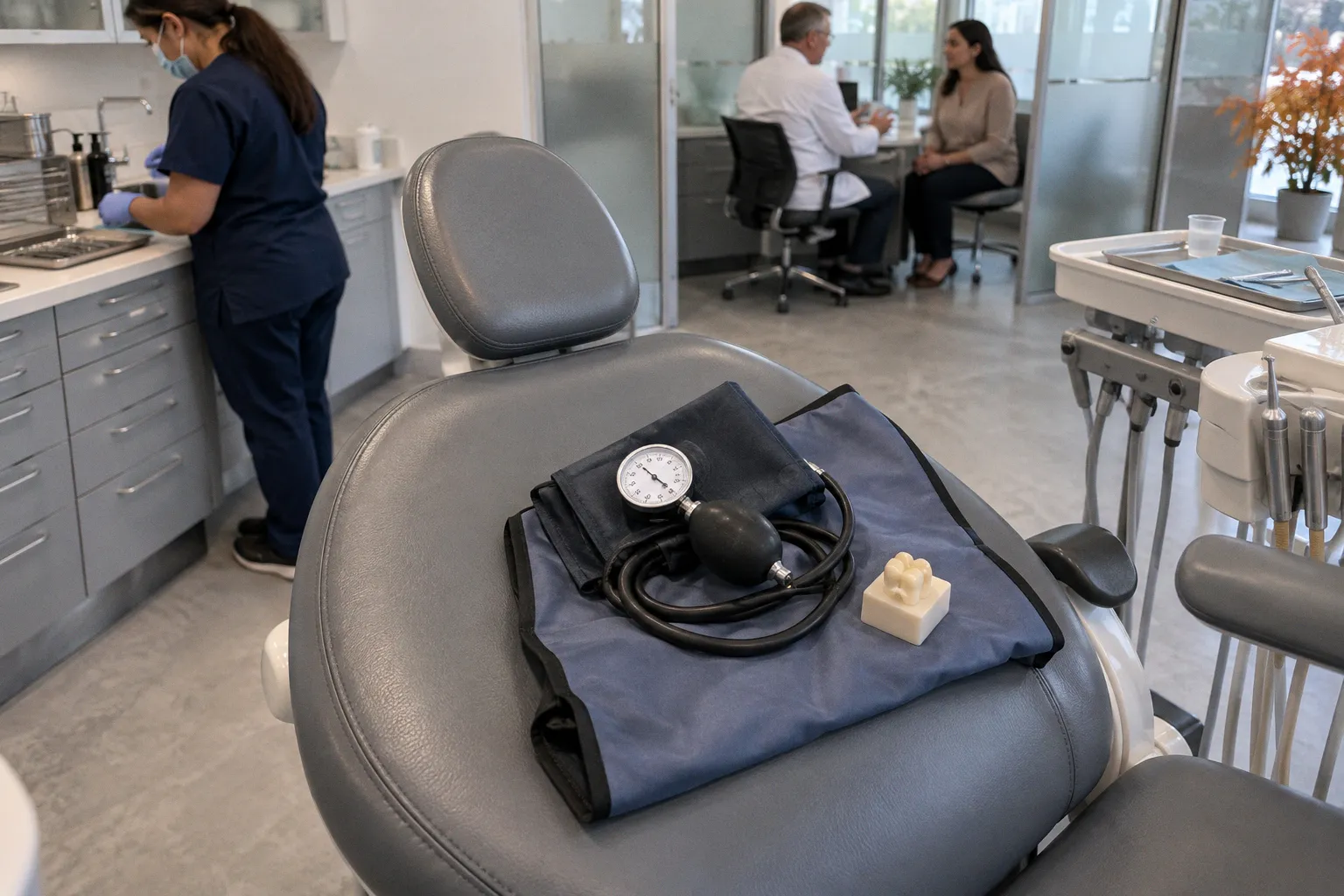
For patients, the practical message is to make routine monitoring and emergency readiness part of a plan discussed with a healthcare professional—not to wait for a problem before paying attention to heart health.
Prevention means routine, not a one-time check
The conference, organised by the Illness to Wellness Foundation ahead of World Heart Day, addressed concerns including pollution, stress and changing lifestyles. Speakers called for structured prevention programmes and greater community awareness, while stressing that everyday choices around diet, physical activity, stress management and rest matter.
The report also describes sessions on blood pressure, blood sugar and lipid monitoring, nutrition, fitness and healthy weight management. It does not prescribe one screening schedule for everyone. Instead, it says preventive steps should reflect a person’s age, health status and lifestyle. Patients can use that principle when arranging checks: ask what should be monitored in their own case, how often, and what to do if a reading is abnormal.
Prepare for the next step
A result is most useful when there is a clear follow-up process. Keep track of readings and bring them to appointments; ask a clinician to explain which results need attention and when to repeat a check. The conference report stresses early identification and timely intervention, but does not provide specific thresholds or individual treatment advice.
Experts also called for wider CPR training so people nearby can assist during a cardiac emergency before medical help arrives. For patients and families, this points to a practical step: find out whether recognised CPR training is available in your community and learn how to respond while emergency services are contacted.
Keep the plan individual
The report’s central point is that prevention should become a sustained routine rather than a reaction to illness. That does not mean every person needs the same tests or lifestyle plan. Review your risk factors and monitoring needs with a healthcare professional, then maintain a simple record of checks, follow-up instructions and any CPR training completed.
A useful maintenance list is straightforward: monitor the measures your clinician recommends, follow up on abnormal results, build manageable health habits into daily life, and make sure household members know how to seek help in an emergency.