Restorative & Implants
How PDS Health’s Smile Generation Serve Day Connects Patients to Essential Dental Care
According to Morningstar, PDS Health’s 16th annual Smile Generation Serve Day expanded access to dental care for nearly 6,000 patients nationwide.
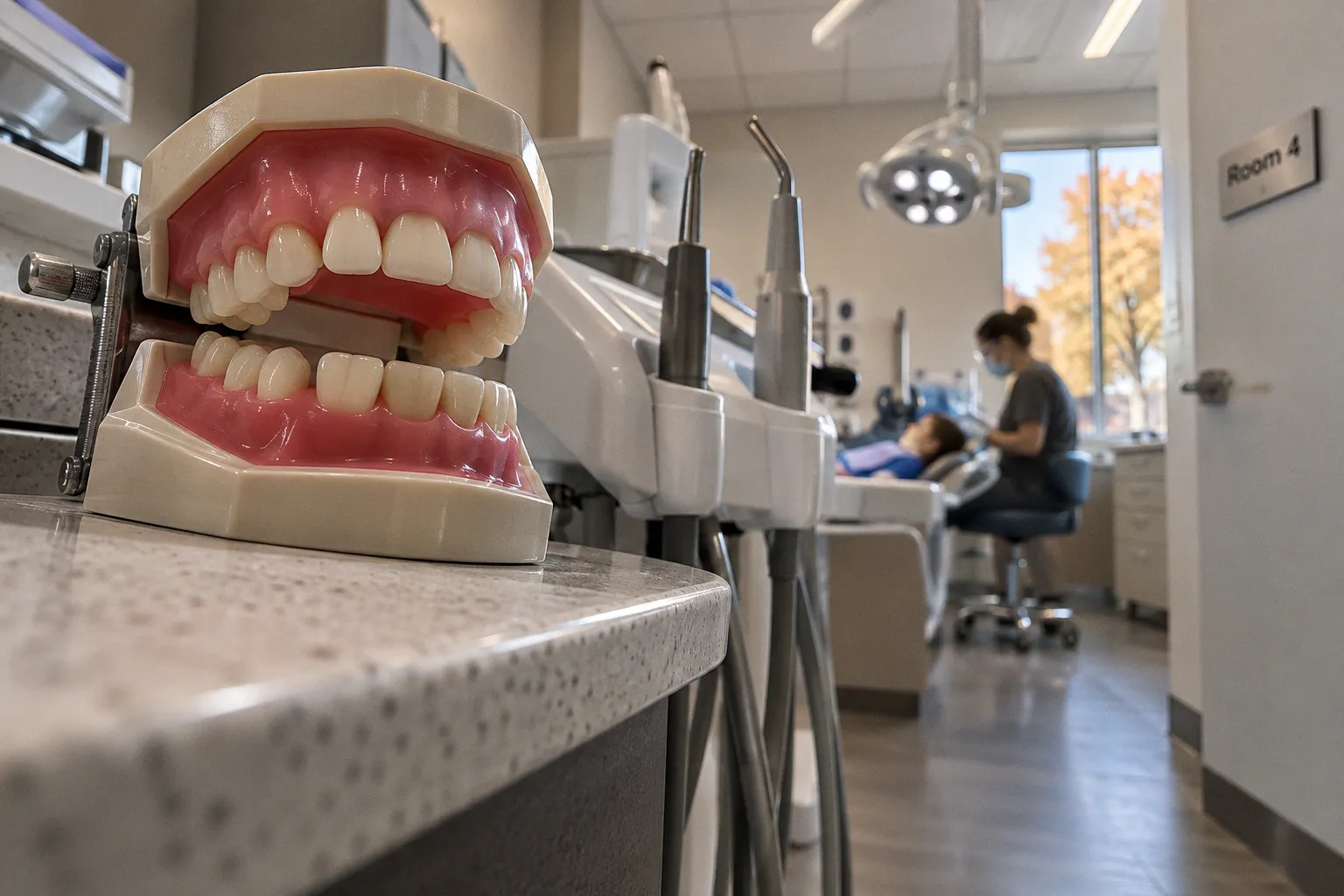
The initiative is relevant to patients who face barriers to routine treatment, but the announcement does not establish that services are broadly available to every patient or at every PDS Health location. Eligibility, referral requirements, treatment scope, and scheduling remain the practical points to verify.
Access expanded through a nationwide service initiative
The report describes Smile Generation Serve Day as a nationwide initiative organized by PDS Health. Its stated focus is helping individuals and families who may otherwise have difficulty accessing dental care.
For patients, the main significance is access rather than a change to standard dental treatment. The initiative may connect eligible people with donated care, but the available information does not specify a uniform package of services, a single application process, or identical participation rules across locations.
That distinction matters. A national program can operate through local practices and community partnerships, while the patient experience still depends on the participating clinic and the referral route used.
What patients should confirm before making plans
Patients considering an access program should assess the process in the same order used for any dental appointment:
1. Eligibility: Confirm who qualifies and whether the program is open to direct applicants or operates through referrals.
2. Referral documentation: Ask whether a referral from a participating dental practice or nonprofit organization is required.
3. Treatment scope: Establish which services are included and whether the program covers a complete treatment plan or only specific care.
4. Scheduling: Verify the participating location, appointment availability, and whether treatment must be completed within a defined period.
5. Additional costs: Ask in advance whether examinations, imaging, laboratory work, medications, follow-up visits, or services outside the donated-care arrangement may involve separate charges.
6. Records and continuity: Confirm how the clinic will document the treatment plan and who will manage follow-up care after the initiative.
These checks are especially important because the available report identifies the program’s scale but does not provide patient-level terms. A patient should not assume that “donated care” covers every procedure connected with a dental problem.
Why the announcement matters for general dentistry
The news places access at the center of preventive and restorative care. When patients delay appointments, the clinical pathway can become more complex, but the available sources do not provide outcome data or establish a specific cause-and-effect pattern for this initiative. The defensible conclusion is narrower: Smile Generation Serve Day is presented as an effort to reduce barriers by connecting patients with dental services through PDS Health’s network.
For clinics and patients, the operational lesson is straightforward. Maintain clear referral records, assess the patient’s immediate needs, and define the limits of the sponsored treatment before care begins. Patients should also request a written explanation of what is covered and what will require separate arrangements.
PDS Health’s announcement signals a continued expansion of access through a large national service program. The next details to monitor are local participation, eligibility rules, referral channels, and the exact treatment conditions offered at each clinic.